
Golf day
Japan Golf Etiquette for Foreigners
A guide to the day at a Japanese course: bag drop, reception, lockers, lunch, bathing, and payment.
Published 2026-06-23 / Updated 2026-09-13 / BirdieLife Editorial
The usual day at the course
Japanese golf courses are usually very organized, but the system can feel unfamiliar the first time. At many full-service courses, you do not simply pay at the beginning and carry everything yourself. You check in, receive a locker-key or account holder, use that holder for locker access and clubhouse charges, then settle everything after the round.
Procedures vary for resort courses, early-morning plans, twilight plans, night golf, public-course style facilities, and fully self-service plans. Still, the flow below is common enough that a visiting golfer can use it as a practical map for the day.
1. Arrive earlier than you think
Arrive 45 to 60 minutes before the tee time. If it is your first time at the course, you are renting clubs, using a shuttle, shipping clubs, or playing with people you have not met before, give yourself more time.
Japanese courses often expect the group to be ready at the starting area before the exact tee time. Being in the parking lot at the tee time is already late. If the road is rural or mountain-side, also allow time for narrow roads, parking, and finding the clubhouse entrance.
2. Drop off your golf bag
At many courses, staff meet arriving cars near the clubhouse entrance and unload golf bags. They may attach a numbered tag before taking the bag to the cart or starter area. Keep your valuables, passport, wallet, phone, and booking confirmation with you.
If you arrive by taxi or shuttle, staff may still take the bag at the entrance. If you arrive at a self-service course, a public-course style facility, or a plan marked 完全セルフ, you may need to unload the bag yourself and place it at the designated bag stand.
Useful terms:
- 玄関: clubhouse entrance
- キャディバッグ置き場: golf-bag drop or bag stand
- 完全セルフ: fully self-service
- 宅急便: parcel delivery service, often used for shipped golf clubs
3. Check in at reception
Go to the front desk marked 受付. Give the reservation name, tee time, and booking confirmation. If the course asks for the plan name, show the Japanese plan title from the booking email or booking site.
First-time visitors are often asked to complete a registration card or guest form. It may request:
- Full name
- Address or hotel address
- Telephone number
- Date of birth or age
- Emergency contact or accompanying group
- Signature
Write your name exactly as it appears on the reservation. If your booking site uses roman letters, use the same roman spelling. Some modern courses replace the paper form with a QR code, tablet, app, membership card, or self-check-in kiosk.
Useful Japanese:
- 予約を確認したいです。: I would like to confirm my reservation.
- 予約名は ___ です。: The reservation name is ___.
- 初めて利用します。: This is my first time using this course.
4. Receive the locker-key holder
After check-in, reception commonly gives each player a small leather-look or plastic holder. It may be called a ロッカーホルダー, カードホルダー, ロッカーキー, or simply a key. Keep it with you until checkout.
Depending on the course, the holder may contain:
- A physical locker key
- Your locker number
- A barcode
- An IC chip or magnetic strip
- An account number for restaurant, shop, rental, or practice charges
- A slip showing your name, start course, tee time, or group
This object is important. It may open your locker and identify your personal account. If you lose it, checkout can take longer and the course may charge a replacement fee.
5. Change clothes and store belongings
Find the locker matching the number on the holder. Change into golf shoes and playing clothes if needed. Many Japanese clubhouses expect a clean transition between street shoes, locker-room shoes, golf shoes, and bath-area slippers, so follow the signs and the behavior of other guests.
Do not leave passports, large amounts of cash, or important valuables in an ordinary locker unless the course clearly says it is secure. Many courses have separate valuables lockers or a valuables service at reception.
Useful terms:
- ロッカー: locker
- 貴重品ロッカー: valuables locker
- 脱衣所: changing room
- 浴室: bath area
6. Confirm the start location and cart
Before going outside, confirm whether your group starts from OUT, IN, or a named course. Larger facilities may have several courses, such as East, West, North, South, or Fuji-style course names. Do not assume every group starts from hole 1.
Near the starter area, staff may confirm:
- Cart number
- Group order
- Start course
- Tee time
- Lunch restart time, if already assigned
- Rental clubs and rental shoes
- Caddie or self-play format
Most public visitor plans in Japan are self-play by default. In other words, the group normally plays without a caddie unless the selected plan clearly says キャディ付き. If you need a caddie for course guidance, reading greens, language support, or general comfort, request it before booking or choose a caddie-included plan. Do not expect a caddie to be available on arrival.
The starter desk may be marked マスター室 or スタート室. Arrive at the cart area around 10 minutes before tee time unless the course gives a different instruction.
7. Use the practice range if you have time
Many Japanese golf courses have a practice range, putting green, approach area, or bunker area, but the range is usually not free. Practice balls are normally paid separately.
Common payment methods include:
- Buying a token from a machine
- Paying at reception
- Charging practice balls to your locker number
- Using a prepaid range card
A typical warm-up range charge might be around ¥300 to ¥700 for a small basket, though it varies by course. Some resort or compact facilities have only a net cage or no range at all. If practice is important, check the course page before booking.
Useful terms:
- 練習場: practice range
- 練習グリーン: putting green
- アプローチ練習場: approach practice area
- コイン: token or coin
- ボール貸出機: range-ball machine
8. Charge purchases correctly
At many traditional courses, restaurant drinks, meal upgrades, shop purchases, rental items, and sometimes practice balls can be placed on your personal account. Staff may ask for your locker number, request a signature, or scan the barcode or IC chip on the holder.
Before confirming, check whether the charge is going to your account or being paid immediately. Do not lend your holder to another player. If the group wants to split food, drinks, or shop items in a special way, explain it before signing or scanning.
Useful Japanese:
- ロッカー番号は ___ です。: My locker number is ___.
- これは別会計にできますか。: Can this be paid separately?
- この料金は含まれていますか。: Is this charge included?
9. Play the first nine and take lunch
Many standard daytime rounds in Japan include a clubhouse lunch break after nine holes. Staff normally tell you the restart time for the second nine, sometimes before you start and sometimes when you return after the first half.
Lunch may be included in the plan, but this often means a basic lunch allowance. Some menu items require an upgrade charge, commonly shown as +¥300, +¥800, +¥1,200, or similar. Drinks may be separate. Through-play, early-morning, twilight, and night golf plans may not include lunch or restaurant service.
Useful terms:
- 昼食付き: lunch included
- 昼食別: lunch not included
- 追加料金: additional charge
- 差額: price difference
- 休憩時間: break time
10. Follow pace, cart, and course etiquette
Japanese courses care a lot about pace and order. Keep up with the group ahead, be ready to hit when safe, and follow cart-path rules. Some carts are remote-controlled, some follow a magnetic track, and some are manually driven.
Basic on-course etiquette:
- Repair pitch marks on the green
- Rake bunkers after use
- Replace or repair divots when instructed
- Keep carts in allowed areas only
- Do not play music loudly
- Shout ファー if a ball may hit another person
- Let staff know quickly if you are lost, delayed, or have a problem
If the cart has a navigation screen, it may show distance, hole layout, pace warnings, weather alerts, score entry, and messages from the clubhouse.
11. Finish the round and check your clubs
After the final hole, follow staff instructions for the cart return and bag area. Staff may clean clubs, remove them from the cart, or move the bag to a claim area near the exit.
Before leaving the bag area, check:
- Number of clubs
- Headcovers
- Rangefinder
- Glove
- Rainwear
- Shoes
- Personal items in the cart basket
If you shipped clubs to the course and want to ship them onward, ask where the delivery counter is. Many courses can help with 宅急便 forms, but cutoff times and available services vary.
12. Bathing after golf
Many golfers use the clubhouse bath after play. This is optional, but it is a normal part of the full-service day at the course.
General bath etiquette:
- Remove shoes in the designated area
- Take off all clothing before entering the bath area
- Wash and rinse your body before entering the shared bath
- Do not put towels into the bathwater
- Keep conversation quiet
- Check the course policy if you have visible tattoos
Late twilight, night golf, early-morning, and self-service plans may have reduced or no bath access. Some courses close the bath before the last groups finish, so check if this matters to you.
13. Review and pay the final bill
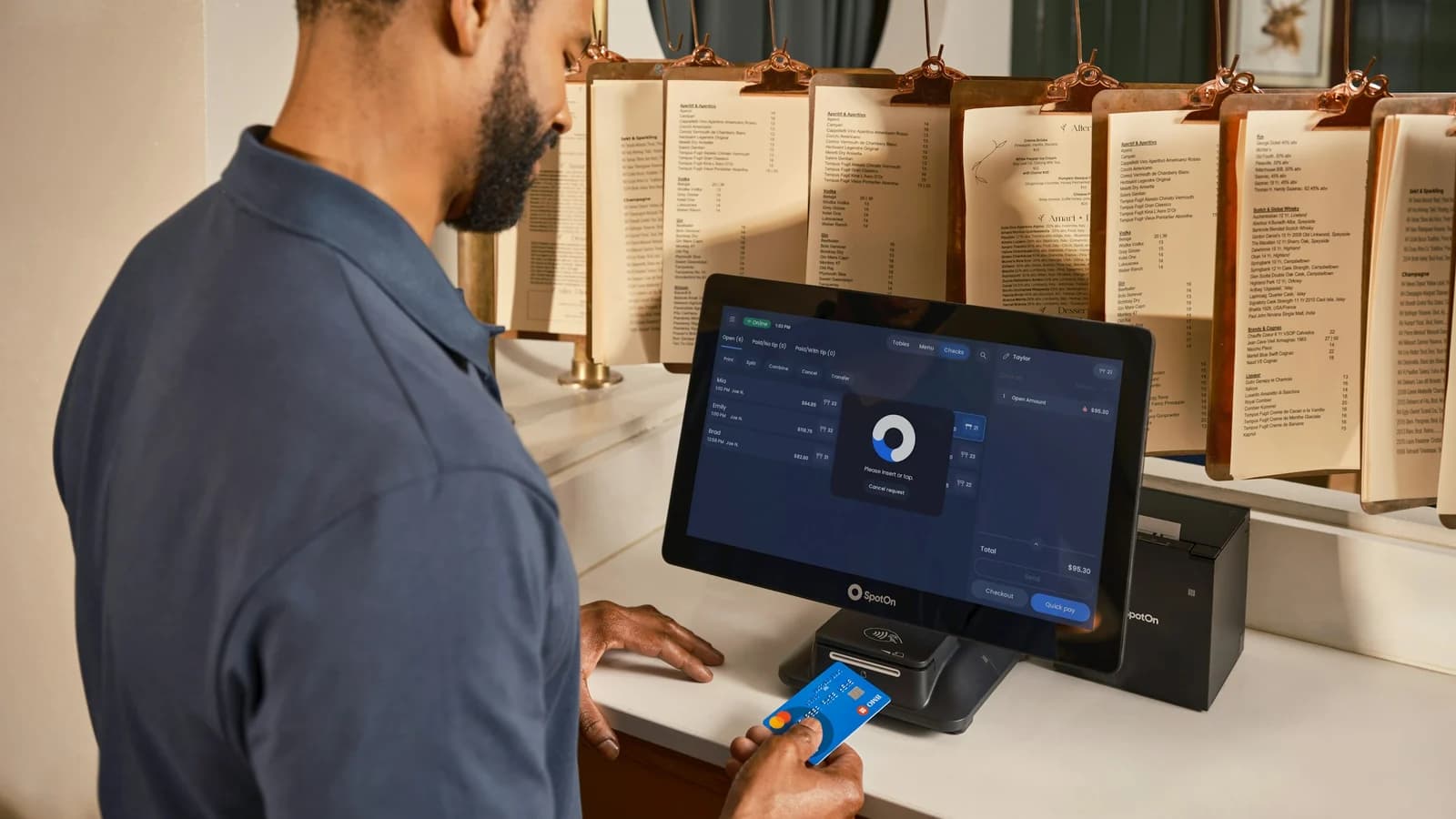
Payment is often made after play, either at reception or at an automatic payment machine marked 自動精算機. Do not return or lose the holder before payment is complete.
The usual machine process is:
- Scan the holder barcode, tap the IC holder, or insert the checkout card
- Check your name and itemized charges
- Select cash or an accepted card payment
- Complete payment and take the receipt
- Return the holder or locker key if the machine does not retain it
The bill may include the play fee, golf-course utilization tax, locker charge, rental equipment, meal upgrades, drinks, shop purchases, practice balls, and two-player or three-player surcharges.
Some courses require prepayment, online payment, or payment before the round. Follow the selected plan rather than assuming every course uses post-play settlement.
Useful Japanese:
- このホルダーで精算できますか。: Can I settle the bill with this holder?
- 明細を確認したいです。: I would like to check the itemized bill.
- 領収書をお願いします。: Please give me a receipt.
14. Collect your golf bag and leave
Show the bag-claim tag if one was issued. Check your clubs, covers, shoes, and personal items before leaving. If staff loaded your bag into a car, confirm that it is your bag, especially at busy courses with many similar travel covers.
If you used a taxi, shuttle, or hotel transfer, check the departure point and time before checkout. Some club buses run only at set times and may not wait for late groups.
Quick clubhouse etiquette checklist
- Arrive 45 to 60 minutes before tee time
- Bring the reservation name and plan details
- Keep passport, wallet, phone, and valuables with you
- Use valuables lockers for cash and travel documents
- Keep the locker-key holder secure all day
- Confirm OUT, IN, course name, cart number, and restart time
- Check whether lunch is included or only partly covered
- Pay attention to cart rules and pace warnings
- Review the final bill before payment
- Count clubs and collect every personal item before leaving
FAQ
Is a caddie included by default?
Usually no. Most visitor-friendly public plans are self-play. Look for キャディ付き or contact the course in advance if you specifically need a caddie.
Does every course use a paper registration form?
No. Paper guest cards remain common, but some courses use QR codes, apps, tablets, member cards, or self-check-in kiosks. If you are not sure what to do, go to 受付 and show the reservation confirmation.
What should I write if I do not have a Japanese address?
Use your hotel address if the form asks for an address. If you are staying in Japan temporarily, the hotel name and city are usually more useful than an overseas home address.
Is the leather holder always a magnetic card?
No. It may contain a key, barcode, IC chip, magnetic strip, or only an account and locker number. Its function varies, so keep it safe and follow the front desk's instructions.
Can I buy lunch or shop items with cash instead of the holder?
Sometimes, but many courses prefer charging items to your locker number and settling everything at the end. Ask before ordering if you want to pay immediately.
Can each player pay separately?
Usually yes, because each player often has an individual locker number or account. However, group bookings, shared carts, caddie fees, and restaurant orders can vary. Confirm before charging shared items.
Is lunch always included?
No. Many standard daytime plans include a basic lunch or lunch allowance, but early, twilight, night, through-play, and campaign plans may not. Even when lunch is included, premium menu items may require a small additional payment.
Are practice balls included?
Usually no. Most courses charge separately for range balls. Expect a small extra cost if you warm up before the round.
Do I have to use the bath?
No. It is normal to use the bath, but it is optional. If you use it, wash before entering the shared bath and follow local bath etiquette.
What happens if I lose the locker-key holder?
Tell reception immediately. The course may need to verify your account, locker, and charges manually. A replacement or lost-key fee may apply.
Are tattoos allowed in the bath?
Policies vary by course. Some courses ask guests with visible tattoos to cover them; others may restrict shared bath use. If this matters, check the course policy before booking.
Can I leave right after the round without going back to reception?
Usually no. Even if you prepaid the play fee, you may still need to settle restaurant, locker, tax, rental, practice, or shop charges and return the holder or key.
What should I do if I do not understand the payment machine?
Go to reception or ask staff near the machine. A simple phrase is: 精算機の使い方を教えてください, which means "Please show me how to use the payment machine."
Continue planning
Plan the rest of your trip
Related guide
Read this next

Japan Golf Guide
What to Wear When Playing Golf in Japan
Prepare clothes for the clubhouse and course, with notes on shoes, seasonal layers, and the bathing area.
Japan Golf Guide
Cashless Payments at Japanese Golf Courses
Cards are widely accepted for clubhouse bills, but range balls, taxis, and small purchases may still need cash.
Japan Golf Guide
Can Tourists Play Golf in Japan?
Many courses welcome overseas visitors. Learn how to check guest access, booking requirements, and rental availability.
Author
BirdieLife Editorial writes practical guides for foreign golfers planning rounds in Japan.